
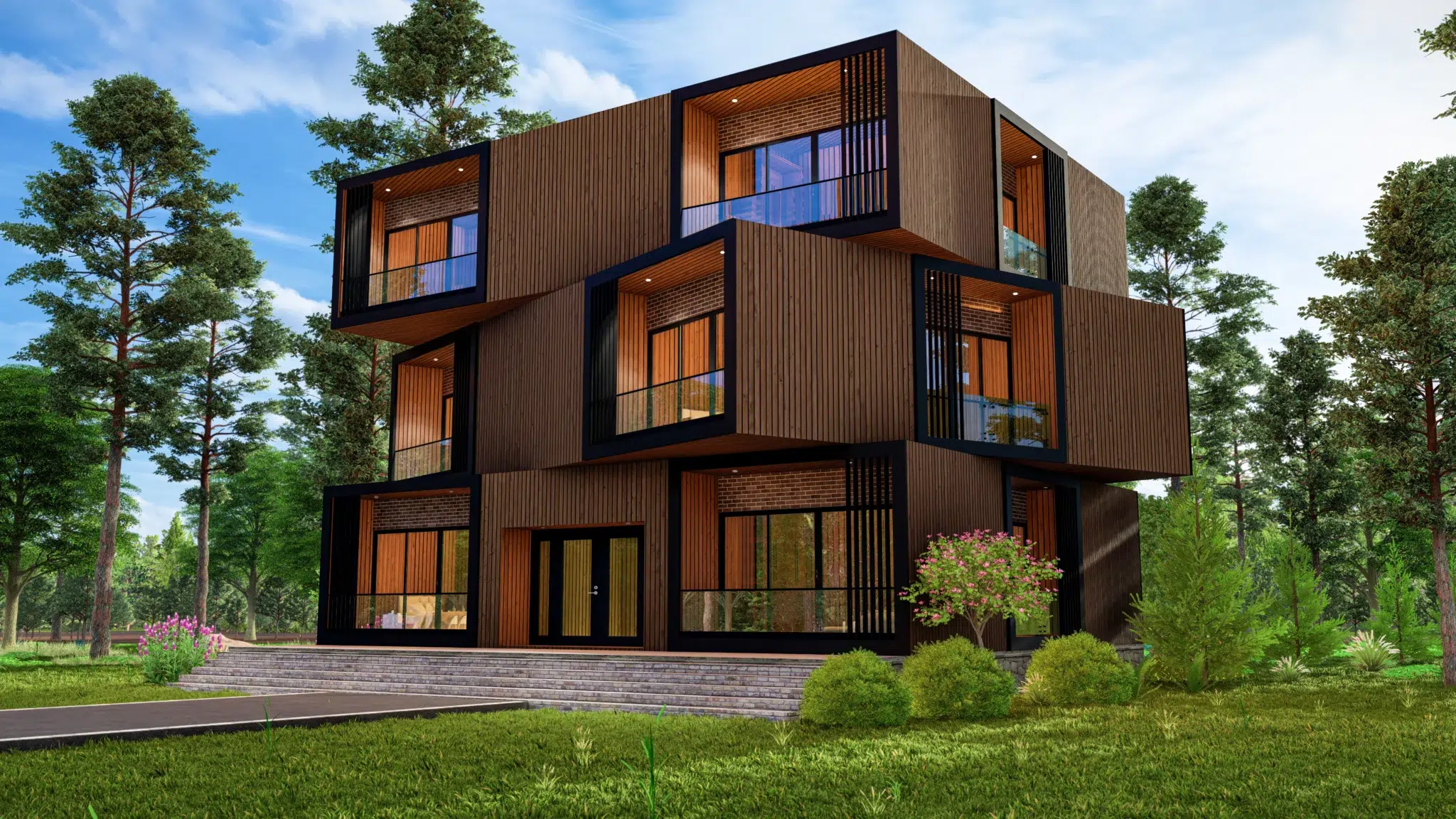
Industrial interior design is the definitive aesthetic of the modern urban era, blending the raw, unrefined beauty of manufacturing hubs with the sophisticated comforts of contemporary living. This design movement, which found its roots in the conversion of old warehouses and factories into residential lofts, has evolved into a global phenomenon that celebrates structural honesty and functional art. When you step into a space defined by industrial interior design, you aren’t just looking at a room; you are experiencing a narrative of history, texture, and architectural transparency.
Table of Contents
To truly master industrial interior design, one must understand that it is not merely about “looking unfinished.” It is a deliberate, curated approach to exposed brick aesthetics and the strategic use of concrete finish textures. In a world where many interior styles seek to hide the “bones” of a building behind drywall and wallpaper, this style pulls back the curtain. It invites us to appreciate the weight of a steel beam, the grain of reclaimed timber, and the cooling touch of a polished cement floor. Through professional 3D modeling and high-end rendering, these rugged elements are transformed from cold, industrial relics into warm, inviting environments that feel both grounded and expansive.
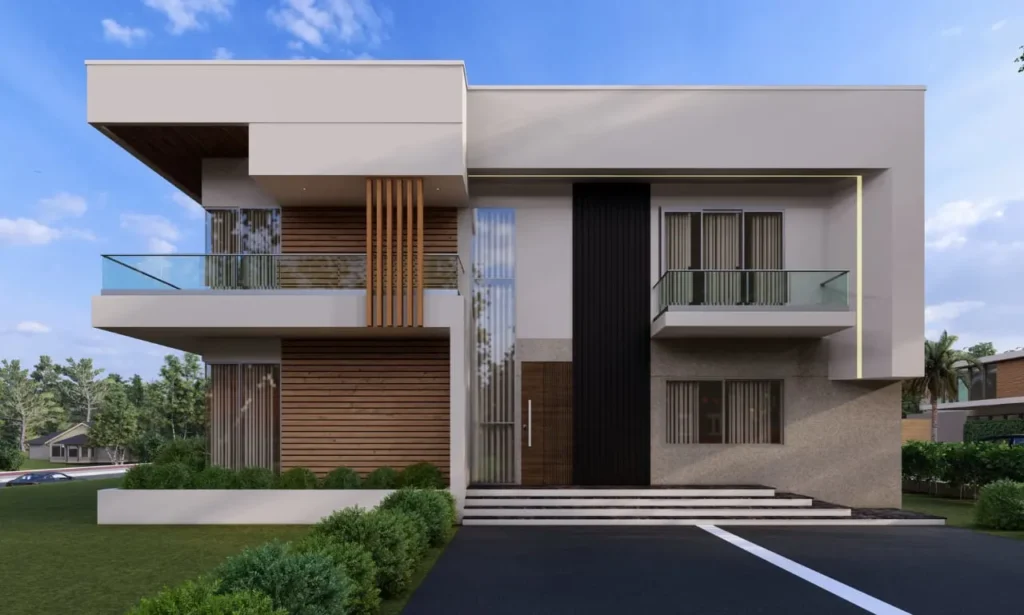
The Core Elements of industrial interior design
At its heart, industrial interior design relies on a neutral color palette that draws inspiration from the materials themselves. We are talking about shades of slate gray, burnt umber, matte black, and copper. However, the true magic happens in the layout. An open-concept layout is almost non-negotiable in this niche. By removing traditional barriers, the design allows light to dance off metallic surfaces and creates a sense of infinite scale, even in smaller apartments.

Balancing Wood, Metal, and Concrete
The triad of wood, metal, and concrete forms the backbone of the industrial look. In a 3D rendering environment, we focus on how these materials interact:
- Reclaimed Wood: Adds the necessary warmth to keep a space from feeling clinical. Think of thick, weathered oak tabletops or ceiling beams.
- Cold Steel: Used for shelving, staircases, and window frames to provide a sharp, clean contrast.
- Poured Concrete: Whether used for flooring or countertops, it provides a seamless, monolithic foundation.
The Importance of Structural Honesty
In industrial interior design, we do not hide the “flaws.” If there is a support column in the middle of the kitchen, we wrap it in brick or leave the steel exposed. This honesty creates a sense of “work-in-progress” energy that is incredibly stimulating and modern.
Transforming the Sleep Sanctuary: industrial interior design Bedrooms
Creating a bedroom using industrial interior design principles requires a delicate balance. You want the “cool” factor of an urban loft, but you also need the “cozy” factor required for rest. This is where minimalist metal accents come into play. A simple black iron bed frame paired with soft, high-thread-count linen sheets creates a visual tension that is undeniably chic.
In the 3D modeling process for bedrooms, lighting is the most critical factor. Because industrial palettes tend to be darker, we use “warm” artificial light to highlight the high-ceiling visualization. Edison bulbs with their glowing filaments are a staple here, providing a soft amber hue that makes a concrete wall look rich and textured rather than cold and damp.
Selecting Textures for Rugged Comfort
- Layering Fabrics: Use wool throws and leather pillows to soften the hard edges of metal furniture.
- Floor Treatments: While concrete is the standard, adding a distressed Persian rug provides a pop of color and a layer of physical warmth underfoot.
- Wall Art: Large-scale photography or oversized clocks made of gears complement the mechanical theme perfectly.
Designing the Ultimate Chef’s Kitchen
The kitchen is perhaps the best place to showcase the power of industrial interior design. It is a room built for utility, and “utility” is the middle name of the industrial movement. By integrating professional-grade stainless steel appliances with heavy-duty stone or concrete surfaces, the kitchen becomes a powerhouse of both form and function.
Optimizing industrial interior design for Small Kitchens
Even if you don’t live in a 5,000-square-foot warehouse, you can still achieve this look. In smaller spaces, we focus on verticality. Open shelving made of black piping and reclaimed wood keeps the room feeling airy while providing ample storage. By using industrial interior design in a compact footprint, you emphasize quality over quantity, making every handle and hinge a design statement.
Key Features of industrial interior design Cabinetry
Forget about traditional shaker doors or glossy lacquered finishes. Industrial cabinets often feature:
- Mesh Inserts: Wire mesh instead of glass for a “factory locker” vibe.
- Flat Panels: Matte gray or black finishes that mimic the look of sheet metal.
- Visible Hardware: Oversized bolts or heavy iron pulls that feel substantial in the hand.
Bathroom Elegance: Merging Utility with Luxury
The bathroom is often the most difficult room to transition into an industrial theme because it requires so many “clean” surfaces. However, industrial interior design thrives on the contrast between the sterile and the raw. Imagine a gleaming white clawfoot tub sitting atop a dark, polished concrete floor, surrounded by walls of exposed brick aesthetics.
Creating Depth in industrial interior design Bathrooms
To prevent the bathroom from looking too dark, we utilize large mirrors with thin metal frames. This reflects the available light and doubles the visual impact of the concrete finish textures. By opting for matte black rain-shower heads and exposed copper piping for the vanity, the plumbing itself becomes a work of art.
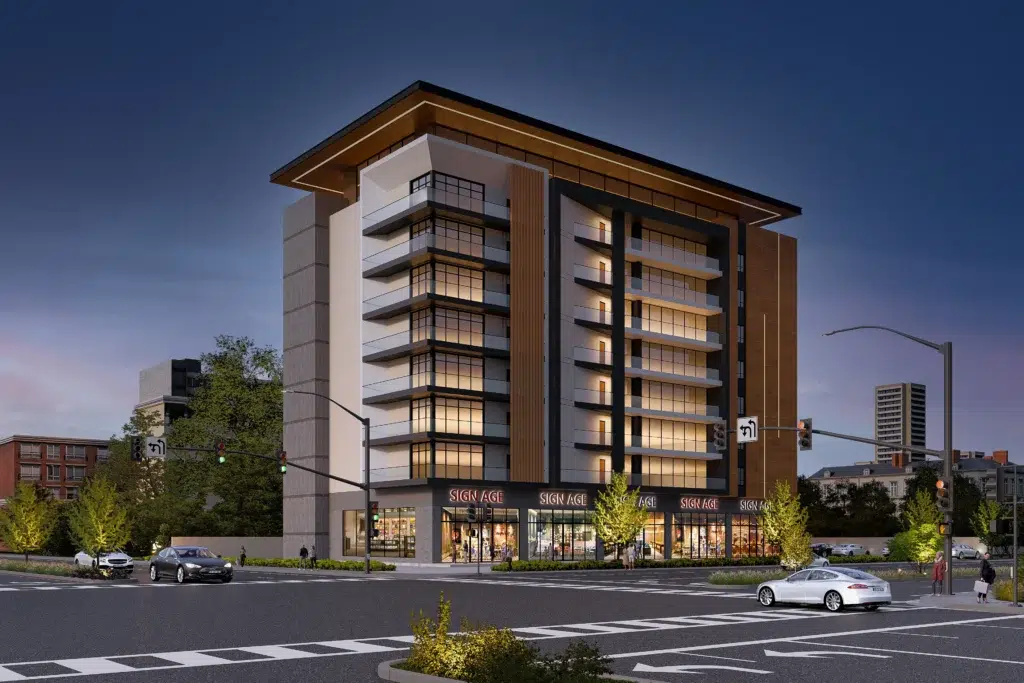
The Technical Edge: Why 3D Rendering Matters
When planning an industrial interior design project, the stakes are high. Materials like brick, concrete, and custom steel are expensive and difficult to change once installed. This is where high-fidelity 3D modeling becomes your best friend. Through 3D visualization, you can experiment with different shades of concrete or the placement of an open-concept layout before a single hammer is swung.
Visualizing Raw Materials Digitally
In a digital render, we can adjust the “glossiness” of a concrete floor or the “roughness” of a brick wall to see how it catches the sunlight at different times of day. Industrial interior design relies so heavily on light and shadow that seeing a photorealistic preview is the only way to ensure the final result doesn’t feel too “heavy” or oppressive.
Precision in Spatial Planning
Using minimalist metal accents effectively requires precise placement. A 3D model allows us to calculate the exact clearance for a hanging pot rack or the height of a bar stool relative to a concrete island. This level of detail ensures that the final space is not just beautiful, but perfectly tailored to the user’s ergonomics.
Embracing the Urban Spirit
Ultimately, industrial interior design is about freedom. It is the freedom to leave a wall unpainted, to show off the pipes that make a home run, and to celebrate the raw materials of the earth. Whether it is through a high-ceiling visualization in a living room or the subtle use of exposed brick aesthetics in a study, this style remains a favorite for those who want their home to feel authentic, strong, and timeless.
The Ultimate Solution: Professional 3D Modeling for industrial interior design
Navigating the complexities of a renovation or a new build requires more than just a mood board; it demands mathematical precision and visual absolute certainty. This is where a professional 3D interior design service becomes the bridge between a raw concept and a breathtaking reality. When dealing with the heavy, permanent materials associated with industrial interior design, the “trial and error” method is financially catastrophic. A single mistake in the pouring of a concrete kitchen island or the placement of an exposed steel support beam can cost thousands in structural revisions. By utilizing high-fidelity 3D modeling, you effectively eliminate the guesswork, allowing for a digital rehearsal of your space where every bolt, beam, and brick is placed with intentionality.
The true value of this service lies in its ability to translate the rugged “factory” aesthetic into a livable, high-end environment. Many homeowners fear that a warehouse-inspired look will result in a home that feels cold, damp, or cavernous. However, through advanced rendering techniques, a designer can demonstrate how raw material textures like weathered wood and rusted iron actually provide a rich, tactile warmth when paired with the right lighting. This service doesn’t just show you where your furniture goes; it simulates the physics of light hitting a matte black surface and the way shadows stretch across a distressed brick wall, ensuring the atmosphere is exactly as you envisioned.
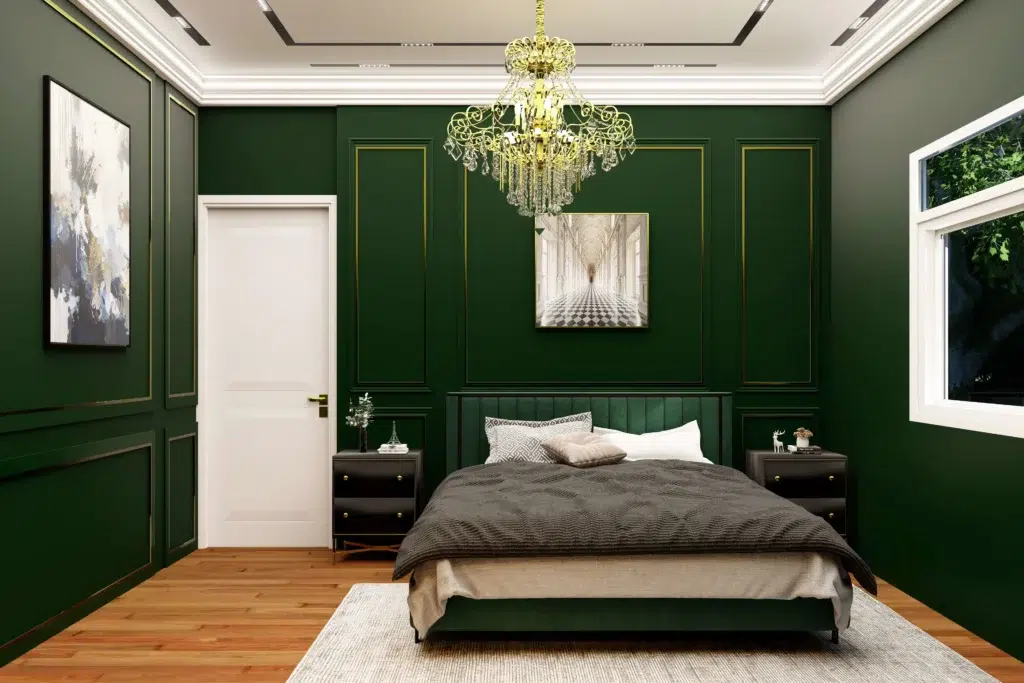
Why Digital Precision is Essential for industrial interior design
In a traditional design, you might hide imperfections behind layers of plaster. In this niche, the “imperfections” are the highlight. This requires a level of functional spatial planning that few DIY planners can achieve. A professional 3D modeler treats every square inch of the floor plan as an opportunity for architectural storytelling. For instance, when planning an open-concept layout, the challenge is to define separate “zones” for cooking, lounging, and working without the use of walls. A 3D render allows you to visualize how a change in flooring—perhaps transitioning from hardwood to a warehouse style renovation staple like polished cement—can visually partition a room without breaking the flow of the space.
Furthermore, the integration of ambient interior lighting is a technical hurdle that requires professional simulation. Because the industrial palette often leans toward darker, moodier tones, the placement of light sources is critical to prevent the space from feeling like a literal dungeon. A 3D service allows you to test “virtual” light fixtures, from oversized metal domes to delicate Edison bulb clusters, seeing exactly how the lumens interact with the specific raw material textures selected for your walls and floors. This ensures that when the sun goes down, your home transforms into a glowy, inviting sanctuary rather than a dark, shadowy void.
Key Benefits of Investing in Professional 3D Rendering
The shift from 2D blueprints to 3D photorealistic environments has revolutionized the way we approach urban aesthetics. For those pursuing an industrial interior design project, the benefits extend far beyond just “seeing a pretty picture.” It is about risk mitigation, budget optimization, and creative empowerment. When you see your bedroom or kitchen rendered with 100% accuracy, you gain the confidence to make bold choices—like a floor-to-ceiling glass-and-steel partition—knowing exactly how it will impact the scale of the room.


1. Absolute Material Certainty and Visual Harmony
One of the greatest challenges in this style is the “clash of the titans”—the interaction between wood, metal, and stone. A 3D render allows you to swap out materials in real-time. You can compare how a reclaimed oak countertop looks against a charcoal gray brick wall versus a lighter, sandy-colored stone. This level of raw material textures experimentation ensures that the final palette is harmonious rather than chaotic. It allows you to find the “sweet spot” where the ruggedness of the materials meets the luxury of modern living.
2. Precise Functional Spatial Planning
Industrial spaces are often characterized by their vastness, which can be intimidating to furnish. Professional 3D modeling provides a bird’s-eye view of your functional spatial planning, ensuring that the “traffic flow” of your home is logical and comfortable. You can see if that oversized leather sectional will actually fit in the living area or if it will obstruct the path to the balcony. By placing “to-scale” digital furniture into the model, you avoid the common mistake of buying pieces that are either too small for the high ceilings or too bulky for the floor plan.
3. Mastering the Warehouse Style Renovation Aesthetic
The warehouse style renovation is a specific art form that requires a balance of “old” and “new.” A professional service helps you visualize how to integrate modern comforts—like smart home hubs or high-end kitchen appliances—into a space that looks like it has existed for a century. This ensures that the technology doesn’t look out of place. For example, a 3D model can help you design a custom cabinetry “niche” that hides your refrigerator behind panels that look like vintage shipping crates, maintaining the industrial theme without sacrificing 21st-century convenience.
4. Optimized Lighting and Ambient Interior Lighting
As mentioned previously, lighting is the “make or break” element of any industrial space. Through 3D rendering, you can perform a “daylight study” to see how natural light enters through large factory-style windows at different times of the year. This helps determine where you need additional ambient interior lighting to fill in the gaps. Whether it’s recessed track lighting to highlight a gallery wall or low-hanging pendants over a dining table, you can see the results before you ever hire an electrician.
5. Seamless Communication with Contractors
Perhaps the most practical benefit of a 3D model is that it serves as a universal language. When you show a contractor a photorealistic image of exactly how the plumbing should be exposed or how the concrete should be finished, there is no room for misinterpretation. This “visual contract” ensures that the builders, plumbers, and electricians are all on the same page, significantly reducing the likelihood of expensive “change orders” during the construction phase.
🔨 Get the Industrial Blueprint
🛠️ Source Professional Materials
Visualizing the Future of industrial interior design
The future of home design is immersive. We are moving away from a world where we “hope” a design works and into a world where we “know” it does. By choosing a professional who specializes in 3D modeling and rendering for bedroom, bathroom, and kitchen spaces, you are giving yourself the gift of clarity. You are choosing to see the vintage furniture 3D models in their intended environment and seeing the interplay of light and shadow on a concrete finish texture before a single penny is spent on materials.
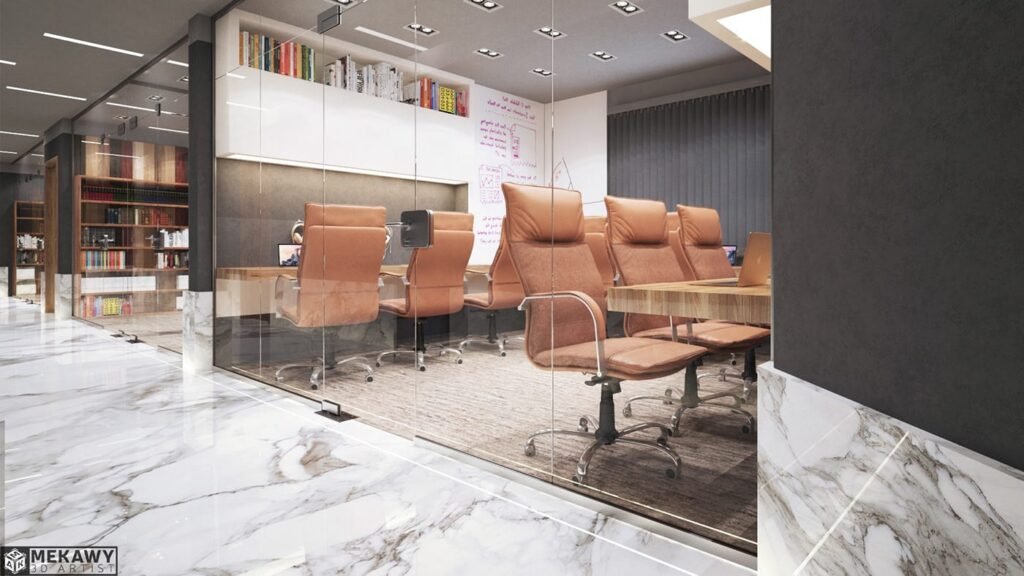
Who Is This For? Identifying the Industrial Enthusiast
The move toward industrial interior design is not a one-size-fits-all solution; it is a specialized aesthetic curated for those who find beauty in the raw, the structural, and the historic. Primarily, this service is designed for homeowners who have acquired non-traditional living spaces—such as converted lofts, old schoolhouses, or decommissioned manufacturing hubs—and want to honor the heritage of the building while ensuring it meets modern luxury standards. If you are someone who cringes at the thought of “cookie-cutter” suburban interiors and instead dreams of soaring ceilings and exposed ductwork, this design philosophy is tailored specifically for you.
Beyond the loft-dweller, this service is an invaluable asset for real estate developers and “fix-and-flip” investors. In a competitive market, presenting a property with a professional industrial interior design 3D render can significantly increase the perceived value and speed of sale. It allows potential buyers to see past the dust of a renovation and visualize a sophisticated, urban lifestyle.
Furthermore, this is for the design-conscious individual who appreciates “minimalist maximalism”—the idea that you don’t need many items, but the items you do have should be bold, heavy, and full of character. Whether you are building a custom home from the ground up or renovating a single room to have that “New York City loft” vibe, professional 3D modeling ensures your investment results in a cohesive, world-class aesthetic.
Frequently Asked Questions
1. Does industrial interior design make a home feel cold or uninviting? Quite the opposite. While the foundational materials like concrete and steel are “cool,” the hallmark of successful industrial interior design is the balance provided by warm textures. By using 3D rendering, we can show you how the addition of reclaimed wood, leather upholstery, and strategic amber lighting creates a “cozy-industrial” atmosphere that feels both expansive and intimate.
2. Can I achieve the industrial look in a small, modern apartment? Absolutely. You don’t need a thousand-square-foot warehouse to embrace this style. In smaller spaces, we focus on “industrial accents”—such as matte black hardware, thin-framed metal glass doors, and singular brick accent walls. Our 3D models help you scale these elements so they enhance your space without overwhelming it.
3. What are the best color palettes for industrial interior design? The core palette is usually neutral, consisting of grays, blacks, and whites. However, we often integrate “found” colors like the burnt orange of rusted metal, the deep brown of old timber, or the forest green of oxidized copper. In our 3D visualization process, you can experiment with these accent colors to see how they pop against a concrete backdrop.
4. Is industrial interior design more expensive than traditional styles? It can be, simply because raw materials like high-grade steel and authentic reclaimed wood carry a premium. However, the use of 3D modeling actually saves you money by preventing material waste and ensuring that every piece of custom-fabricated furniture fits perfectly the first time.
5. How do I choose the right lighting for an industrial space? Lighting is the most critical element. We recommend a layered approach: task lighting (like metal desk lamps), ambient lighting (Edison bulb chandeliers), and accent lighting (LED strips hidden behind exposed beams). Our renders allow you to see the “throw” of each light source before you purchase them.
6. Can I mix industrial style with other design movements? Yes, “Industrial Chic” often mixes with Mid-Century Modern or Scandinavian styles. The clean lines of Scandi furniture pair beautifully with the ruggedness of a brick-and-beam loft. 3D modeling is the perfect tool to see if these disparate styles harmonize before you commit to the purchase.
7. How do you handle privacy in an industrial open-concept layout? Privacy is managed through “visual dividers.” This includes open shelving units, large indoor plants, or steel-framed glass partitions with frosted textures. We use 3D spatial planning to ensure your bedroom feels private while still maintaining the “loft” flow.
8. What floorings are best for an industrial kitchen? Polished concrete is the gold standard for durability and style. However, large-format slate tiles or distressed hardwood are excellent alternatives. We provide high-resolution renders of each option so you can feel the texture of the floor through the screen before making a final decision.
9. Why should I hire a professional for 3D rendering instead of using a free app? Free apps lack the physics-based rendering engines required to simulate how light interacts with raw materials like brushed steel or porous brick. A professional service provides photorealistic accuracy, meaning the image you see is exactly what you get in real life.
Conclusion: Transform Your Vision into Reality
The journey toward a perfect home is paved with thousands of small decisions. When it comes to industrial interior design, those decisions carry the weight of steel and the permanence of concrete. You deserve a partner who can provide the clarity and technical expertise required to navigate this bold aesthetic. A professional 3D modeling and rendering service is not just a luxury; it is a foundational step in the architectural process. It empowers you to take risks, refine your taste, and ultimately walk into a home that is a perfect reflection of your urban soul.
Don’t leave your dream space to chance or vague sketches. Visualize every pipe, every grain of wood, and every beam of light with breathtaking precision. Whether you are redesigning a kitchen, a bathroom, or a complete residential floor plan, our expertise in industrial interior design will ensure your project is a resounding success from the first digital draft to the final coat of sealant.
Professional Etsy Shop Graphics: The Ultimate Guide to Branding Your Store for Success