Bathroom layout plans are the foundational blueprint of any successful home renovation or new build. When you walk into a bathroom that feels effortless—where the door doesn’t hit the vanity, the shower feels spacious, and the lighting is perfectly positioned—you are experiencing the result of meticulous planning. A bathroom is arguably the most complex room in a house to design because it requires the perfect marriage of aesthetic vision and rigorous technical constraints.
Unlike a living room where you can easily move a sofa, a bathroom’s primary features are bolted to the floor and plumbed into the walls. This is why bathroom layout plans are not just a luxury; they are a necessity to avoid costly mistakes that can haunt a homeowner for decades.
Table of Contents
In the modern era of interior design, we have moved beyond the “standard” three-piece bath. Homeowners now seek sanctuary. Whether you are working with a cozy powder room or a sprawling master suite, the core principles of bathroom layout plans remain the same: flow, clearance, and utility. By prioritizing the structural logic of the space before choosing your tile or faucets, you ensure that the end result is as functional as it is beautiful.

Why Precision Matters in Modern Bathroom Layout Plans
Precision is the difference between a bathroom that works and one that frustrates. In professional bathroom layout plans, every inch is accounted for. We often think of design in terms of colors and textures, but the psychology of a well-organized bathroom is rooted in “spatial harmony.” When fixtures are placed too close together, the room feels cramped and stressful. Conversely, a layout that respects standard clearances allows for a sense of calm and order.
From a financial perspective, investing time into detailed bathroom layout plans is a high-return strategy. Real estate experts consistently note that bathrooms and kitchens are the primary drivers of property value. A bathroom with a clunky flow or a misplaced toilet can significantly detract from a home’s appeal. Furthermore, having a precise plan allows you to provide floor plan sketches to contractors that leave no room for “guesswork.” When a plumber knows exactly where the drain pipe needs to be located down to the millimeter, you eliminate the need for expensive “rip-outs” and re-dos.
Essential Pre-Design Checklist for Every Homeowner
Before you begin sketching your bathroom layout plans, you must conduct a thorough audit of your existing environment. This isn’t just about measuring the walls; it’s about understanding the “bones” of the room.
- Plumbing Infrastructure: Locate your main soil stack. Moving a toilet more than a few feet away from this stack can increase your plumbing costs exponentially.
- Structural Obstructions: Identify load-bearing walls, windows, and door swings. These are the “fixed points” that your bathroom layout plans must navigate around.
- Electrical Mapping: Note where your existing outlets and switches are. Modern bathrooms often require more power for features like heated floors, backlit mirrors, and high-end ventilation fans.
- Ventilation Needs: A bathroom without proper airflow is a breeding ground for mold. Your plans must account for a high-quality exhaust fan and, if possible, natural ventilation through windows.
📐 View Expert Bathroom Layouts
Understanding Standard Dimensions in Bathroom Layout Plans
To create a layout that feels professional, you must adhere to the unwritten laws of ergonomics. In any set of bathroom layout plans, there are “minimums” that should never be ignored. For instance, a toilet typically requires at least 15 inches of space from its center to any sidewall or fixture, though 18 inches is preferred for a more luxurious feel.
Space optimization begins with understanding these numbers. A standard bathtub is 60 inches long, and a comfortable walk-in shower should be at least 36 by 36 inches. When these bathroom layout plans are drawn up, you must also consider the “swing” of the shower door. If space is tight, a sliding glass door or a wet-room style glass partition might be the better choice to maintain a clean flow.
Creative Strategies for Small Bathroom Efficiency
Small bathrooms are often the most difficult to design, but they offer the greatest opportunity for innovation. When drafting bathroom layout plans for a compact space, the goal is to keep the floor as visible as possible. The more floor you can see, the larger the room feels. This is where plumbing fixtures like wall-mounted toilets and floating vanities become game-changers. By lifting these items off the ground, you create an unbroken line of flooring that tricks the eye into perceiving more square footage.
- Corner Solutions: Using a corner-entry shower or a corner vanity can free up the center of the room for movement.
- Niche Storage: Instead of bulky cabinets that protrude into the room, build storage into the wall cavities. Shower niches and recessed medicine cabinets are essential in small bathroom layout plans.
- Monochromatic Palettes: Using the same tile for the floor and walls reduces visual clutter, making the boundaries of the room less defined.
Master Suite Luxuries: Advanced Bathroom Layout Plans
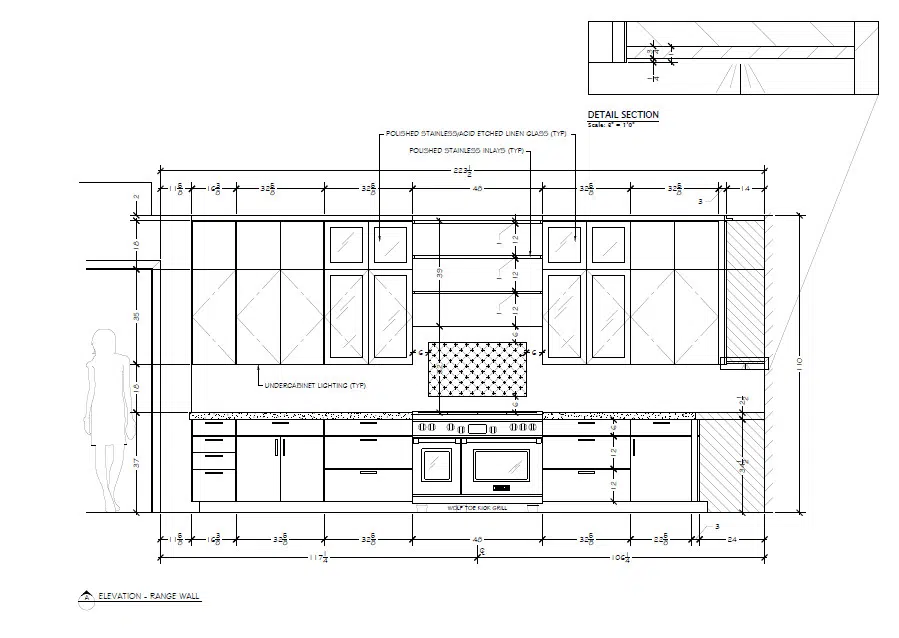
For a master bathroom, the requirements shift from “efficiency” to “experience.” In these larger bathroom layout plans, we look at creating zones. There is the “wet zone” (tub and shower), the “dry zone” (vanity and dressing area), and the “private zone” (the toilet or water closet).
A popular trend in high-end bathroom layout plans is the “open-concept” wet room. This involves waterproofed flooring across the entire area, allowing for a freestanding tub to sit inside the shower enclosure. This not only looks stunning but also simplifies the cleaning process. When designing these large spaces, vanity placement is crucial. If two people are using the room simultaneously, having separate “his and hers” stations prevents traffic jams during the morning rush.
Technical Details: Integrating Lighting into Bathroom Layout Plans
Lighting is frequently an afterthought in DIY projects, but in professional bathroom layout plans, it is treated with the same importance as the plumbing. A single overhead light is never enough. You need a layered approach:
- Ambient Lighting: General illumination, often provided by recessed ceiling lights.
- Task Lighting: Critical at the vanity. Sconces placed at eye level on either side of the mirror are far superior to a single light above, as they eliminate shadows on the face.
- Accent Lighting: LED strips under a floating vanity or inside a shower niche to provide a soft glow for nighttime use.
Integrating these into your bathroom layout plans ensures that the electrical rough-in happens at the right time, preventing you from having to cut into new drywall later.
Selecting the Right Fixtures for Your Interior Style
Once the structural bathroom layout plans are solidified, the focus shifts to the hardware. The choice of fixtures acts as the “jewelry” of the room. In 2026, we are seeing a shift toward “living finishes” like unlacquered brass and matte gunmetal. However, the style must always follow the function established in your layout.
When choosing plumbing fixtures, consider the “flow rate” and technology. Touchless faucets and thermostatic shower valves (which keep the water at a constant temperature) are no longer just for hotels; they are becoming standard in modern residential bathroom layout plans.
🏗️ Get Your Professional Floor Plans
Finalizing Your Vision: From Concept to Construction
The final stage of creating bathroom layout plans is the transition from a digital or paper concept to reality. This is where “clearance” becomes a physical reality. Before the first tile is laid, it is often helpful to “mask out” the layout on the actual floor using painter’s tape. This allows you to walk through the space and ensure that your bathroom layout plans feel right in the physical world.
By following these professional principles—respecting clearances, optimizing for light, and planning for plumbing—you ensure that your bathroom is a masterpiece of interior design. Whether it’s a tiny powder room or a grand master bath, the success of the project is always hidden within the quality of your bathroom layout plans.
The Role of Professional Interior Design Services for Bathroom Layout Plans
Investing in professional bathroom layout plans is not merely a design choice; it is a strategic decision that bridges the gap between a creative vision and structural reality. For many homeowners and developers, the complexity of a bathroom renovation is underestimated until the first pipe is laid or the first tile is cut. This is where professional design services offer an indispensable solution. A professional designer does not just look at where a sink “looks good”; they analyze the entire ecosystem of the room to ensure that the architectural drawings align with the physical limitations of the building.
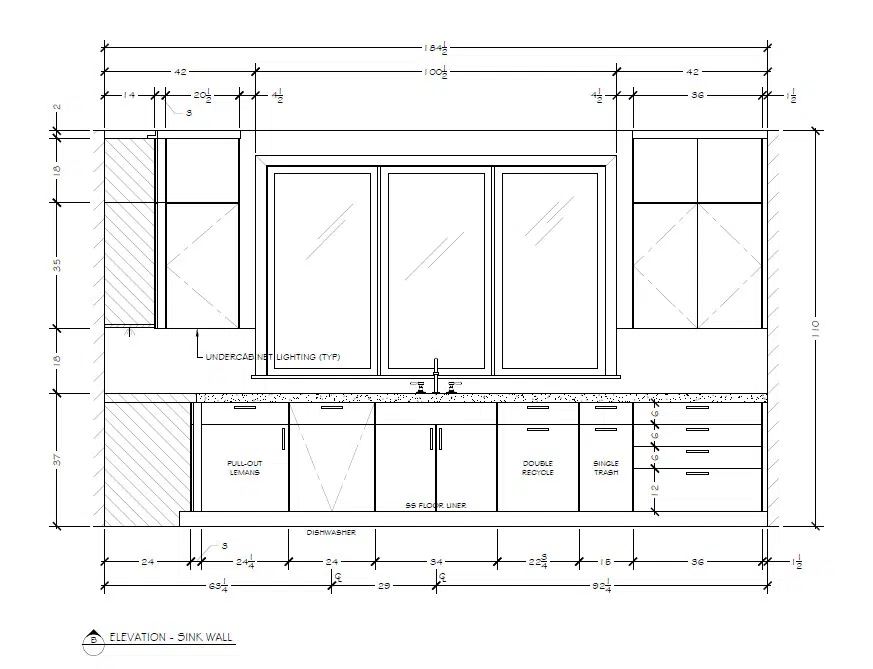
The true value of expert service lies in the reduction of “friction.” Friction in a renovation manifests as mid-project changes, budget overruns, and spatial errors that cannot be fixed once the mortar has dried. By utilizing high-tier design services for your bathroom layout plans, you are essentially purchasing a roadmap that has already accounted for potential roadblocks. These services provide more than just a picture; they provide a comprehensive technical package that includes elevations, lighting schematics, and precise plumbing locations. This level of detail is essential for anyone looking to scale their property value or establish a high-end brand in the real estate and rental market.
How Professional Layout Details and Bathroom Layout Plans Protect Your Investment
The financial implications of a poorly executed bathroom are staggering. If a toilet is placed too close to a wall, or if a shower drain is off-center by even two inches, the cost to rectify these errors after the “wet work” is completed can run into thousands of dollars. Professional bathroom layout plans serve as an insurance policy against these mistakes. When you present a contractor with a set of detailed plans, you are removing the element of “interpretation.” Contractors thrive on clarity; when the bathroom dimensions are clearly labeled and the clearances are pre-calculated, the build phase moves faster, with fewer questions and zero “field-engineered” compromises.


Furthermore, professional services often include a level of space optimization that the average DIYer or general contractor might miss. Designers are trained to find “hidden inches.” They might suggest a recessed wall cabinet between studs or a specific tile patterns layout that makes a narrow room feel wider. These subtle shifts in the bathroom layout plans are what elevate a project from a standard remodel to a bespoke interior. On platforms like AffiGrab.com, where quality and conversion are paramount, highlighting the precision of these professional services is key. A brand that promotes professional-grade planning is seen as an authority, offering a solution that guarantees a premium, headache-free result.
Key Benefits of Precision-Engineered Bathroom Layout Plans
The benefits of high-quality bathroom layout plans extend far beyond the initial construction phase. They impact the longevity, usability, and even the “sellability” of a home. When every fixture is placed with intent, the result is a space that feels intuitive to the user.
- Elimination of Spatial Errors: One of the most significant benefits is the adherence to standard clearances. Professionals ensure that there is enough room to stand comfortably at the vanity while someone else passes behind, or that the shower door doesn’t collide with the towel rack. These details are often overlooked in amateur sketches but are the hallmark of expert bathroom layout plans.
- Optimized Plumbing and Drainage: By integrating plumbing fixtures into the plan from day one, you ensure that the “wet wall” is utilized efficiently. This minimizes the amount of trenching required in a concrete slab or the number of joists that need to be notched in a wood-framed floor, maintaining the structural integrity of the home.
- Enhanced Lighting and Electrical Safety: A professional plan maps out “zones” for electrical outlets and switches, ensuring they are placed at safe distances from water sources while remaining conveniently located for hair dryers and electric shavers.
- Accurate Material Estimates: With a precise layout, you can calculate the exact square footage of tile, stone, or flooring required. This prevents the common problem of over-ordering expensive materials or, worse, running out of a specific dye lot mid-installation.
Leveraging Square Footage and Technical Accuracy in Bathroom Layout Plans
To truly maximize a bathroom’s potential, one must master the art of working within a fixed square footage. Professional bathroom layout plans excel at this by utilizing every cubic inch of the room. This includes the vertical space, which is often ignored. A professional designer might integrate a floor-to-ceiling storage unit into the bathroom layout plans that provides more utility than three separate medicine cabinets.
The technical accuracy of these plans also extends to the “behind-the-wall” components. For instance, knowing the exact location of the studs allows for the secure installation of heavy glass shower doors or wall-mounted vanities without the need for unsightly reinforcement later. When these plans include tile patterns, they ensure that the layout starts from a center point, avoiding those thin, awkward “sliver” tiles at the edges of the room that scream amateur workmanship.
📝 Download Custom Bathroom Templates
Future-Proofing and Accessibility Integration
A major benefit of modern bathroom layout plans is the inclusion of “Universal Design” principles. As the population ages, or as families look for “forever homes,” the demand for bathrooms that are accessible to everyone is skyrocketing. A professional service can integrate features like curb-less showers, wider doorways, and reinforced walls for future grab bars without making the room look “clinical.”
By planning for these features now, you are future-proofing the property. Bathroom layout plans that incorporate a wet-room design, for example, are inherently more accessible and easier to clean, making them a high-value selling point. This forward-thinking approach is what separates a basic service from a premium design solution. For brands looking to grow, offering or promoting these high-level technical services creates a “moat” around your business—providing a level of expertise that is difficult to replicate.
Seamless Communication with Contractors
The final, and perhaps most practical, benefit is the communication factor. A set of bathroom layout plans acts as a universal language between the homeowner, the designer, and the tradespeople. When a tiler sees a plan that specifies the starting point of a layout, or a plumber sees a plan that defines the exact height of a wall-mounted faucet, the margin for error evaporates.
This clarity reduces the stress of the renovation process. Instead of daily “emergencies” where a contractor needs a decision on a measurement, the decisions have already been made and documented in the bathroom layout plans. This allows the homeowner to enjoy the transformation process rather than managing it. On AffiGrab.com, emphasizing this “peace of mind” is a powerful persuasive tool. You aren’t just selling a design; you are selling a streamlined, professional experience that guarantees a luxury outcome.
The integration of architectural drawings and detailed vanity placement within the overarching plan ensures that the final product is a cohesive masterpiece. From the way the light hits the morning mirror to the ease of stepping into a perfectly proportioned shower, the benefits of professional planning are felt every single day. Precision in the planning stage is the only way to ensure that the beauty of the design is matched by the reliability of its function.
Who Is This For?
Creating high-quality bathroom layout plans is a specialized task that serves a diverse range of individuals, all of whom share a common goal: transforming a high-traffic utility space into a masterpiece of form and function. This service is meticulously designed for those who recognize that a “pretty” bathroom is worthless if it is fundamentally broken at the structural level.
1. Homeowners Planning a Legacy Renovation If you are remodeling your “forever home,” you cannot afford to guess. This service is for the homeowner who wants to ensure that their $20,000+ investment is protected by a blueprint that works. You need bathroom layout plans that account for your physical height, your storage habits, and your long-term mobility needs.
2. Real Estate Investors and House Flippers In the competitive world of property resale, bathrooms sell houses. Investors use professional bathroom layout plans to maximize the perceived value of a property without overspending on unnecessary structural changes. By optimizing the existing footprint, you can turn a cramped three-piece bath into a luxurious ensuite that commands a premium market price.
3. Busy Professionals Seeking Efficiency If you don’t have the time to spend hours at a local hardware store debating where a vanity should sit, this service is for you. We provide the technical clarity needed to hand off a project to a contractor with total confidence. You get the results you want without the micromanagement.
4. Interior Designers and Contractors Even professionals need a helping hand with technical drafting. Contractors often use our bathroom layout plans to provide their clients with a visual and technical guide, ensuring that everyone is on the same page before the first sledgehammer is swung. This reduces liability and increases client satisfaction across the board.
Extensive FAQ Section
1. How do I start creating my bathroom layout plans? Starting requires accurate measurements of your current space. You need to identify the location of existing waste lines, water supply pipes, and windows. Once you have these “fixed points,” you can begin overlaying bathroom layout plans that maximize the remaining floor area while respecting the necessary clearances for each fixture.
2. What is the most common mistake in bathroom layout plans? The most frequent error is ignoring “buffer zones.” People often place a toilet too close to a vanity or design a shower door that strikes the towel rack when opened. Professional bathroom layout plans prioritize these small but vital clearances to ensure the room remains functional for people of all sizes.
3. Can I move my toilet to a different wall? Yes, but it is the most expensive change you can make. Moving a toilet requires rerouting the large 3-inch or 4-inch soil stack. In our bathroom layout plans, we always evaluate if the benefits of moving the toilet outweigh the significant plumbing costs, often finding creative ways to keep the toilet in place while refreshing everything around it.
4. How much space do I need for a double vanity? For a comfortable double vanity, you generally need a width of at least 60 inches (5 feet), though 72 inches is preferred. When drafting bathroom layout plans for a shared master bath, we ensure there is enough elbow room between the two sinks so that two people can get ready simultaneously without bumping into each other.
5. What is a “wet room” layout? A wet room is a layout where the entire floor is waterproofed and sloped toward a drain, eliminating the need for a raised shower curb. These bathroom layout plans are becoming incredibly popular because they make small bathrooms feel much larger and provide superior accessibility for those with limited mobility.
6. Should the bathroom door swing in or out? Ideally, a bathroom door should swing into the room against a wall. However, in very small powder rooms, an out-swinging door or a pocket door is often the better choice. Our bathroom layout plans always include door swing paths to ensure they don’t block access to the vanity or hit the occupant of the room.
7. How high should my bathroom vanity be? The modern standard for “comfort height” vanities is 36 inches, which matches standard kitchen counter heights. Older vanities were often 30-32 inches. We customize this in your bathroom layout plans based on your specific needs and the style of sink (vessel vs. under-mount) you choose.
8. How do I choose between a walk-in shower and a bathtub? This depends on your lifestyle and resale goals. While master suites are leaning heavily toward large walk-in showers, having at least one bathtub in the house is usually recommended for resale value (especially for families with children). We help you weigh these options when finalizing your bathroom layout plans.
Conclusion: Transform Your Vision into Reality
The difference between a stressful renovation and a successful transformation lies entirely in the quality of your preparation. Bathroom layout plans are the bridge between your Pinterest board inspiration and the physical reality of your home. Without a technical guide, you are at the mercy of “on-the-fly” decisions made by contractors who may not share your aesthetic vision.
By choosing a professional design service, you are choosing clarity, budget control, and long-term satisfaction. You are ensuring that every morning you wake up to a space that is ergonomically perfect, visually stunning, and structurally sound. Don’t leave the most expensive room in your home to chance.
Ready to Build Your Dream Bathroom?
Take the guesswork out of your renovation today. Visit AffiGrab.com to secure professional bathroom layout plans tailored specifically to your unique space and style. Our expert designers will provide you with the exact layout details, fixture placements, and technical dimensions your contractor needs to execute a flawless build.
Order your professional Bathroom Interior Design and Layout service on AffiGrab.com now and start your journey toward a perfect home sanctuary!
The Ultimate Guide to Custom Journal Sticker Design for Digital Planners